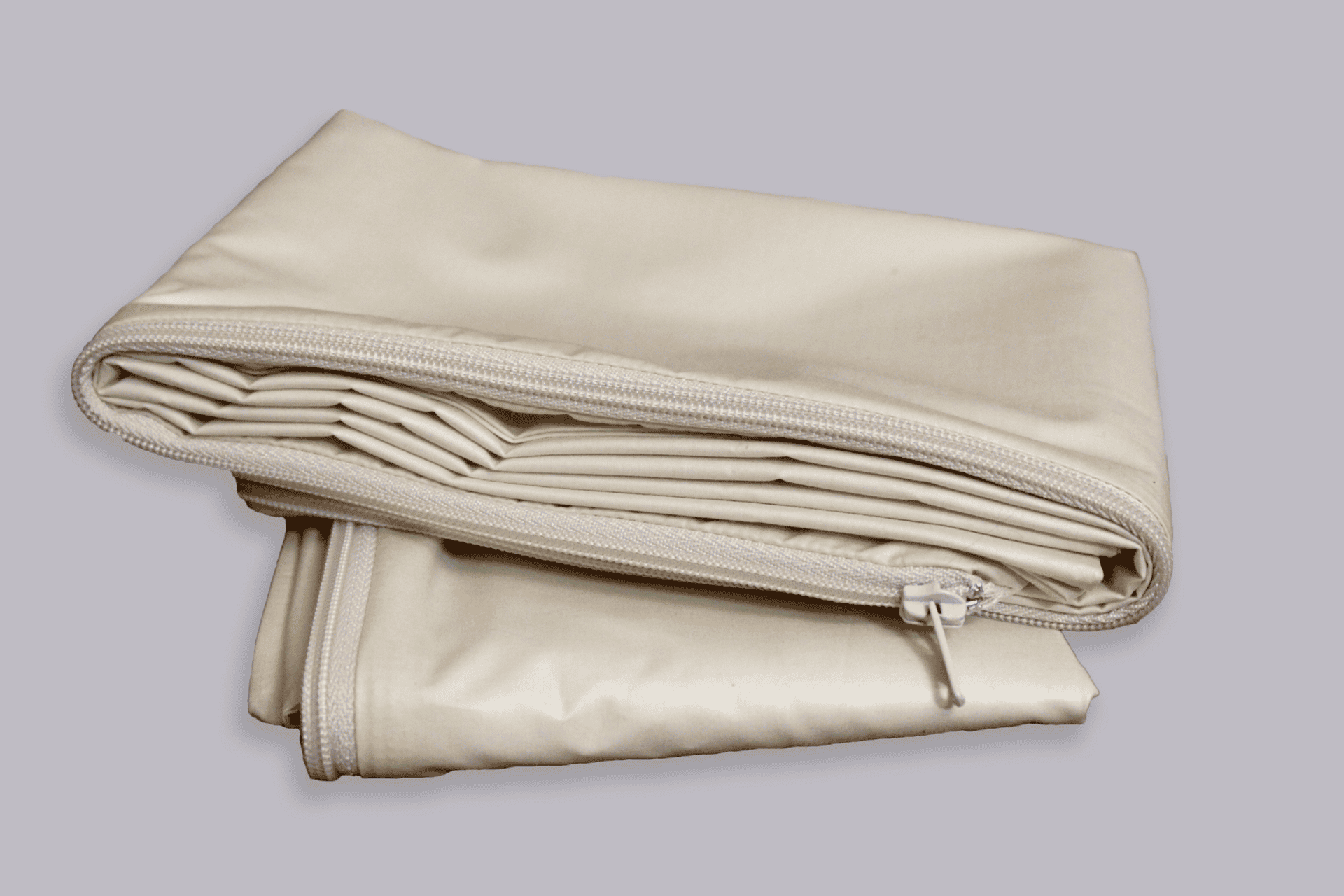
Pillow covers protect sleeping surfaces while maintaining comfort and aesthetics, offering a functional barrier against dirt, oils, and allergens. This category focuses on materials, closures, and weave types that influence breathability, softness, and fit across standard and specialty pillows, including memory foam and down variants. Common features include envelope or zipper closures and easy-care fabrics suitable for daily use.
Protective pillow covers are designed to extend pillow lifespan by shielding against stains, sweat, and body oils without compromising pillow performance. Key characteristics include hypoallergenic fabrics, moisture-wicking properties, and durable stitching. The right cover can preserve pillow loft, reduce washing frequency, and support long-term hygiene in bedding environments.
Functional benefits of pillow covers vary with material choice; cotton blends, microfiber, and breathable polyester options balance softness with protection. Some covers incorporate antimicrobial treatments or barrier fabrics to address allergy considerations, while others emphasize moisture control. Understanding fabric porosity and tread count helps match covers to individual sleep needs.
Common product names within protective pillow covers emphasize versatility for different pillow types, including memory foam pillows, latex pillows, down pillows, and travel pillows. Features such as wrinkle resistance, labeled care instructions, and secure closures contribute to maintenance ease and sustained comfort across diverse sleeping arrangements.
In bedding discussions, protective pillow covers are integral to a clean, supportive sleep environment. They support hygiene practices, accommodate varying pillow shapes, and complement other bedding components like pillow protectors and pillowtop.org resources on bedding materials, sleep ergonomics, and care considerations for memory foam and down pillows.
 Bedding