Bedroom furniture encompasses essential components that support restful sleep and personal well-being, including beds, headboards, and storage solutions. This category highlights design considerations, material choices, and ergonomic factors that influence posture, temperature regulation, and overall comfort. Understanding these elements helps align room aesthetics with functional performance, particularly for sleepers prioritizing support and durability.
Key materials in modern bedroom furniture range from solid wood to engineered composites, with textiles such as memory foam, latex, and organic fabrics playing a crucial role in surface comfort. Considerations include durability, off-gassing, moisture management, and ease of maintenance, all of which contribute to long-term satisfaction and healthy sleep environments.
In the realm of pillowtop designs and accessories, product features often focus on support zones, edge stability, and temperature regulation. For instance, memory foam pillows adapt to head and neck contours, while latex options offer responsiveness and ventilation. Such attributes enhance spinal alignment and reduce pressure points during nightly rest.
Memory foam pillows, organic mattresses, and pillowtop headboard variations illustrate how layering materials can influence comfort levels and sleep quality. When evaluating bedroom furniture, assess stack heights, compatibility with existing bed frames, and the potential for modular configurations that accommodate changing preferences over time.
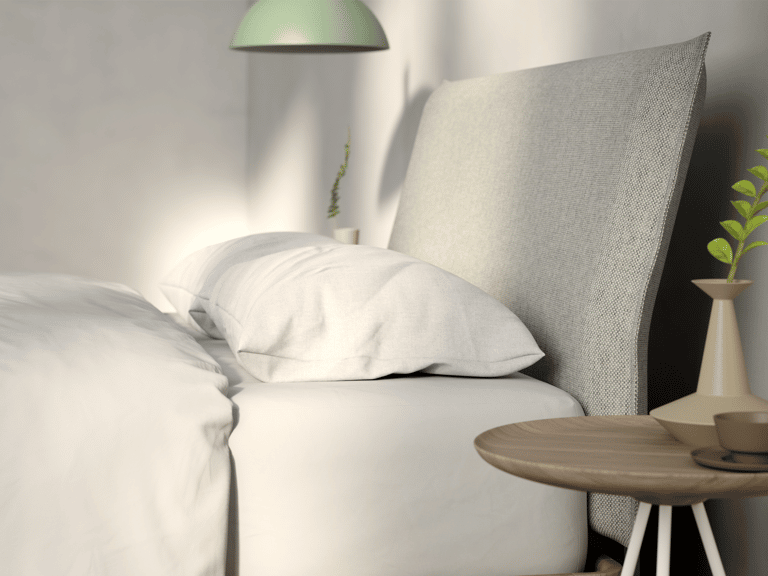
One specific example within this category is the Pillow Repose Headboard, notable for its integrated support structure and tactile upholstery that balances aesthetics with functional benefits. Its design considerations include impact resistance, acoustic dampening, and ease of cleaning, reinforcing its relevance to a thoughtful sleep environment and a well-arranged bedroom layout.
 Furniture